AI Voice Agent for Appointment Booking and Scheduling

Dialflo: AI Voice Agent
August 29, 2026
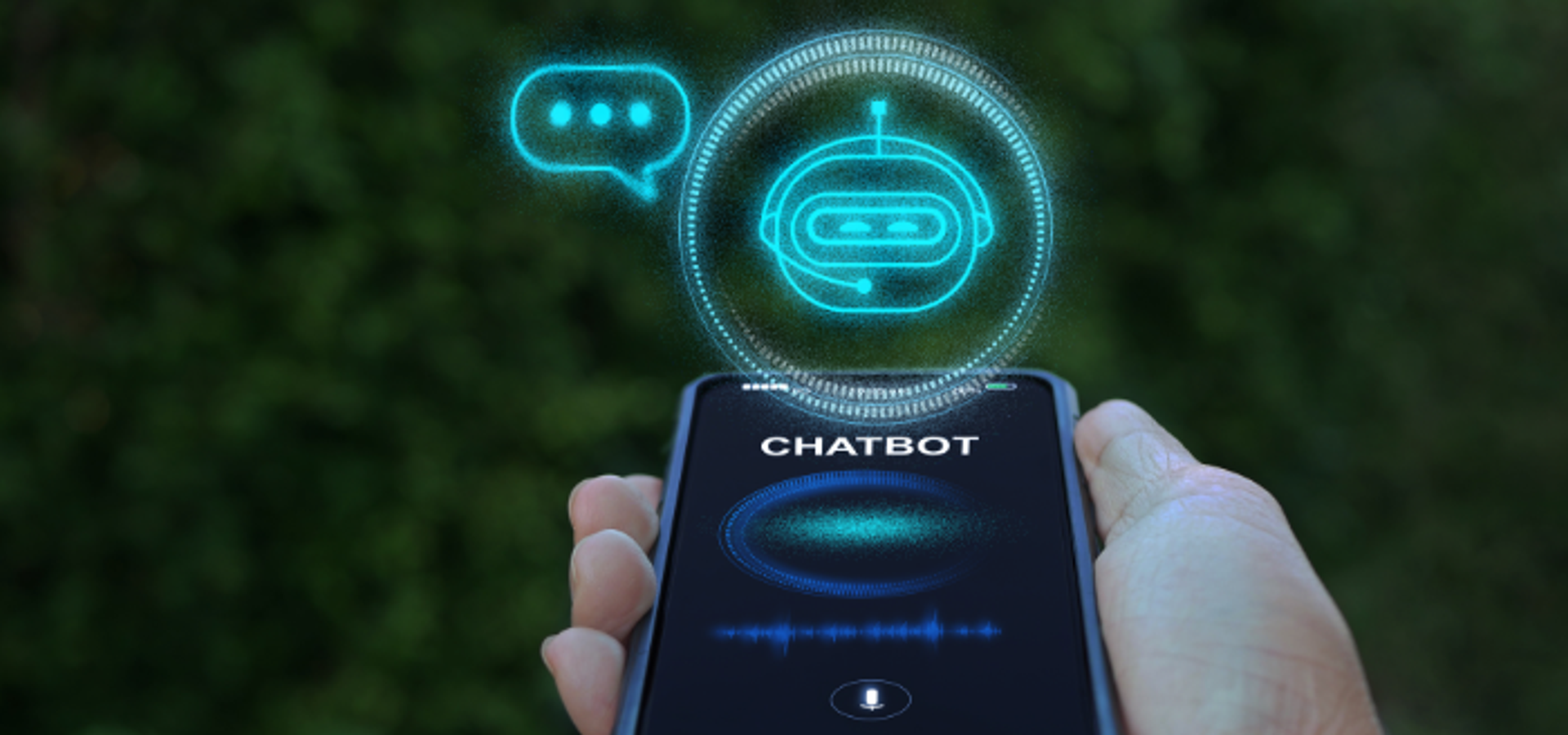
Short answer: An AI voice agent for appointment booking answers or places customer calls, offers real slots, confirms or reschedules on the phone, and writes the result into your calendar or ops system. Humans handle exceptions. The agent owns the repetitive scheduling conversation.
6:40 p.m. A customer calls to lock a delivery window. Your dispatcher is on another line. The call hits voicemail. At 9:10 a.m. someone listens back. The customer already accepted a competitor’s morning slot. Same story for install visits, dock appointments, and service jobs: scheduling is customer communication, and silence loses the calendar.
This guide shows how an AI voice agent for appointment booking can automate customer calls and scheduling for logistics and service teams: triggers, scripts, write-back, no-show defense, and a 14-day pilot. Related reading: conversational services use cases and AI in logistics use cases, benefits, and tools.
Why appointment booking is a voice problem, not only a calendar problem
Software can show open slots. Customers still call. Drivers, retailers, and homeowners still want a human-sounding confirmation. When volume spikes or the desk closes, those calls become abandoned intent.
Lead and inbound response research still favors speed. Contact and qualification odds fall when first outreach slips from five minutes toward thirty. Source PDF: InsideSales.com / MIT Lead Response Management study. The same clock applies to “can you come Thursday?” calls. Slow scheduling answers create no-shows, re-attempts, and angry WhatsApp threads.
For logistics customer communication, phone booking sits next to ETA updates and exception handling. See logistics decision gap and AI operations.
What an AI voice agent for appointment booking actually does
1. Answers inbound scheduling calls
Identifies the caller or reference ID, states available windows, books the slot, and repeats the confirmation.
2. Places outbound confirmation calls
Confirms tomorrow’s delivery, install, or pickup. Captures cancel or reschedule before the truck rolls.
3. Offers alternate slots in one conversation
If the first window fails, the agent proposes two backups from live rules instead of promising a callback.
4. Writes to the system of record
Updates calendar, CRM, TMS notes, or webhook destinations so planners see truth without retyping. Buyers should treat write-back as non-negotiable when comparing platforms in Retell vs Dialflo vs Vapi India.
5. Escalates edge cases
Hazmat, VIP accounts, disputed addresses, or multi-stop changes can warm-transfer to a human.
Logistics customer communication use cases
- delivery window booking and day-before confirmation
- dock or receiving appointment scheduling
- installation and technician visit booking
- pickup reschedule after a failed attempt
- B2B retailer slot changes during peak season
These workflows are customer communication first. Dashboards alone do not dial the receiver. Broader tech context: technology used in supply chain management and AI supply chain technology trends.
The booking flow that keeps calendars honest
Inbound
- greet and authenticate with phone number, order ID, or site name
- state purpose: book, confirm, or change an appointment
- check availability rules (service area, skill, vehicle, SLA window)
- offer two clear options, then book
- repeat time, address or dock, and prep instructions
- write disposition and datetime immediately
Outbound confirm
- call 24 to 48 hours ahead for high-value visits
- ask for a clear yes, reschedule, or cancel
- if canceling with enough notice, trigger waitlist or next-open recovery
- never mark “left voicemail” as confirmed
Reminder research in healthcare shows messaging improves attendance versus no reminder. Source: Cochrane review on mobile phone messaging reminders. Voice adds the missing piece for logistics: live reschedule into the plan, not a text that sits unread while the truck is already staged.
Process prerequisites before you automate
- define bookable appointment types and duration rules
- publish cancel and reschedule cutoffs
- map fields: customer ID, site, window start/end, disposition, notes
- decide which calls bypass AI (enterprise docks, hazardous freight, legal disputes)
- agree who owns open-slot recovery when someone cancels
- set language needs for drivers, retailers, and end customers
If availability lives only in someone’s head, the agent will book fiction.
Script principles that feel like service, not a bot trap
- one job per call: book, confirm, or move
- two slot options max before offering a callback window
- short confirmation read-back every time
- clear escalation phrase when the customer asks for a person
- no upsell pitch during a delivery-window confirm
Local services and field sales use the same pattern as logistics windows. Adjacent qualification-and-booking context: Dialflo vs Retell for real estate lead qualification calls.
Pricing lens: pay for resolved scheduling work
When you compare an AI voice agent for appointment booking, ask whether you are billed for talk minutes or for resolved calls. Dialflo’s published model is outcome-oriented: no platform fees, no per-minute billing, and charge when a call is actually resolved, with Starter at ₹8 and Growth at ₹5 per resolved call (excl. GST) on the public pricing page. Confirm live details at dialflo.ai/#pricing. Deeper pricing comparisons: Retell AI pricing vs Dialflo pricing and Retell vs Dialflo India pricing.
A 14-day pilot for booking automation
Days 1 to 2: baseline
- count inbound scheduling calls and missed-call rate
- measure no-show and late-cancel rates for one appointment type
- estimate staff minutes spent on calendar phone work
Days 3 to 5: design
- write a 60 to 90 second book/confirm script
- connect availability rules and write-back fields
- define escalate vs book vs recycle
Days 6 to 10: run one line or one lane
- automate one DID or one delivery region only
- audit 20 calls per day for slot accuracy and tone
- require system update within 60 seconds of call end
Days 11 to 14: decide with numbers
- compare booked rate, confirmation rate, and no-shows vs baseline
- compare after-hours bookings captured
- compare cost per booked or confirmed appointment
If you are still choosing build vs buy for the voice layer, read build vs buy voice AI stack in India.
Metrics that prove scheduling automation
- inbound scheduling calls answered within SLA
- bookings completed without human takeover
- confirmation rate 24 to 48 hours before the visit
- reschedule capture rate on non-confirm calls
- no-show rate and hours of cancel notice
- after-hours booking share
- staff minutes on appointment phone work (should fall)
- write-back success rate to calendar or ops system
If bookings rise but no-shows do not fall, add outbound confirm calls. If confirms rise but planners still scramble, fix write-back.
Common mistakes
- offering slots the TMS or calendar cannot honor
- SMS-only reminders with no live reschedule path
- counting voicemail as confirmed
- twenty questions before offering a time
- no after-hours coverage on customer-facing booking lines
- buying voice AI for demo audio instead of booking write-back proof
Next steps
An AI voice agent for appointment booking earns its place when customer calls become confirmed times in the system, not voicemails in a queue. That is how you automate customer calls and scheduling while dispatch and support stay focused on exceptions.
If you want voice booking and confirmation workflows that update your calendar or ops tools, talk to Dialflo. Bring one appointment type, your after-hours miss rate, and the system that must show the new slot.
Frequently asked questions
What is an AI voice agent for appointment booking?
A phone agent that books, confirms, and reschedules appointments, then writes outcomes into your scheduling system.
How does it automate customer calls and scheduling?
It handles inbound and outbound scheduling conversations with live slot rules and immediate system updates.
Why does this matter in logistics?
Delivery windows and dock appointments fail when customers cannot reach anyone. Voice automation covers the conversation gap.
What must write back after the call?
Datetime, disposition, customer or shipment match, notes, owner, and recording link.
Which metrics matter?
Booked rate, confirmation rate, no-shows, after-hours capture, and staff minutes on phone scheduling.
How does Dialflo help?
Dialflo runs booking and confirmation voice workflows with outcome-focused pricing on the public tiers. Start at dialflo.ai and confirm rates at pricing.