Best ATS Software for Small Businesses, with Voice Screening

Dialflo: AI Voice Agent
June 23, 2026
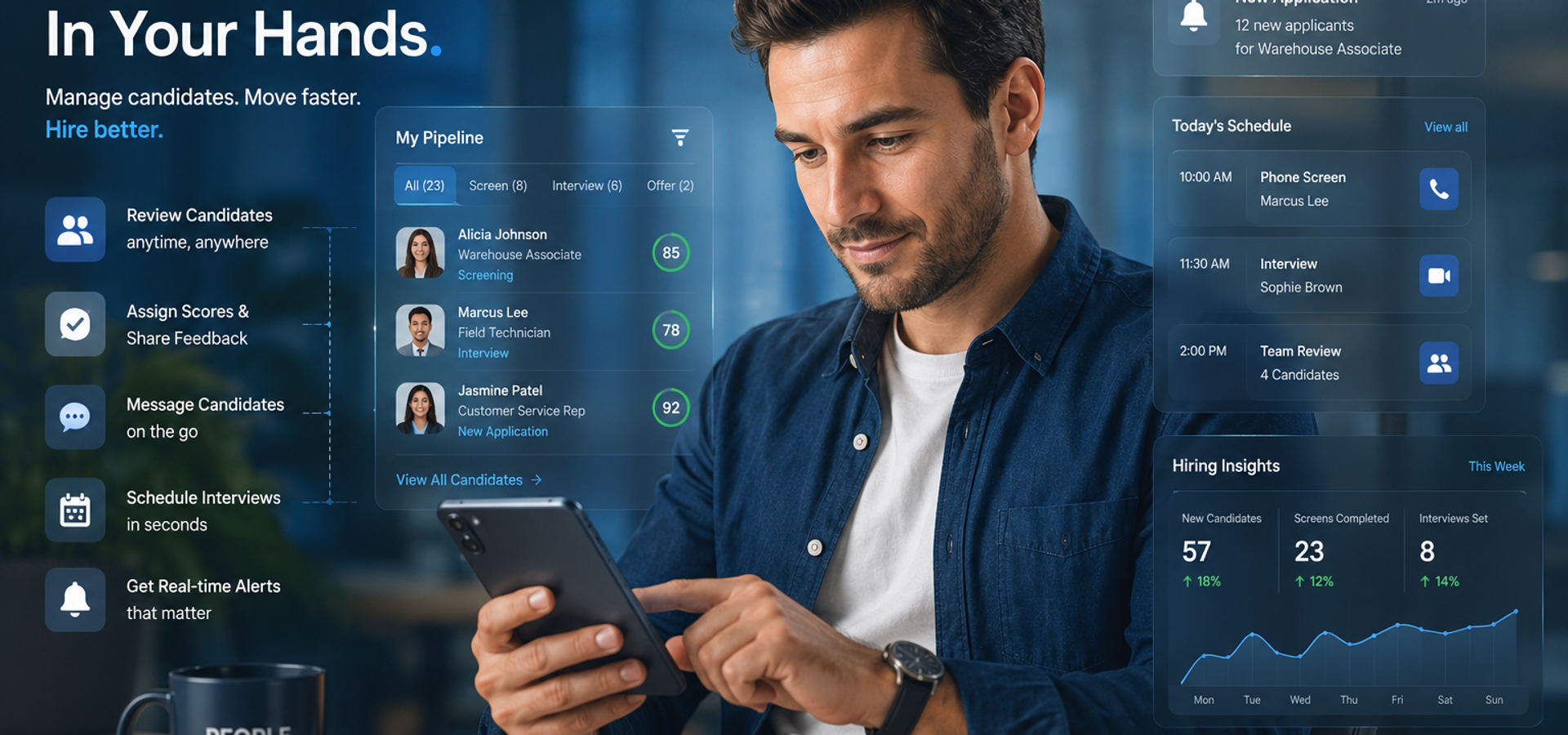
You posted three roles last month. Applications poured in. Then the same recruiter who sources also screens, schedules, and chases hiring managers for feedback, and candidates started ghosting while voicemails stacked up. That is the moment teams search for the best ats software for growing small businesses, not because they lack ambition, but because spreadsheets and shared inboxes stop scaling the week headcount plans accelerate.
This guide is for operators hiring their tenth through hundredth employee: what to demand from applicant tracking, where AI voice screening belongs in the stack, which platform categories fit growing SMBs, and how to pilot without buying enterprise software you will not touch for a year.
What “growing small business” means for ATS buyers
A ten-person startup and a ninety-person scale-up both call themselves “small business.” ATS needs diverge fast. Growing SMBs usually share these traits:
- one to three recruiters, or recruiters wearing multiple hats
- steady req volume across functions, not a single annual hire
- hiring managers who want speed more than fifteen approval layers
- phone screens that still matter for culture and knockout questions
- no dedicated RevOps team to wire fifty integrations
The best ats software for growing small businesses wins on adoption and time-to-first-interview, not feature checklists copied from Fortune 500 RFPs. Background: cloud-based recruitment software: benefits & tools and HR software solutions: features, types & tools.
What the best ATS for growing SMBs must do
Before you compare logos, define the job. Core modules that matter at this stage:
Pipeline you can see in one screen
Stages from applied → screen → interview → offer must be obvious. If recruiters maintain a shadow spreadsheet, the ATS failed adoption, regardless of demo polish.
Job distribution without manual copy-paste
Post to boards and careers site from one place. Growing teams cannot afford double entry for every req.
Hiring manager collaboration that respects their calendar
Mobile-friendly scorecards, feedback nudges, and shared notes beat email threads recruiters reconstruct at night.
Reporting that answers real questions
Time-to-fill, source quality, stage conversion, not vanity dashboards. Deeper metrics: recruitment analytics software.
Integration hooks for voice and scheduling
APIs, webhooks, or native partners so AI voice screening outcomes land in candidate records automatically. Integration patterns: integrate recruiting software with existing systems.
LinkedIn’s talent research shows hiring teams continue investing in technology to improve speed and candidate experience, SMBs feel that pressure first because every missed callback is visible. Source: LinkedIn: Future of Recruiting 2025.
Why AI voice screening belongs next to your ATS, not instead of it
An ATS organizes candidates. It does not always reach them when they are ready to talk. Phone screens stall when:
- recruiters callback after business hours in the candidate’s timezone
- the same screen questions repeat fifty times per req
- notes live in voicemail transcripts or personal phones
- scheduling takes four emails before a manager slot locks
AI voice screening runs structured conversations on your number: knockout questions, availability, location, compensation bands where appropriate, and next-step scheduling, then writes structured results to your ATS. Humans stay on judgment, negotiation, and closing.
SHRM notes that structured, job-related selection procedures improve consistency and defensibility when designed thoughtfully, automation should implement approved scripts, not improvise criteria. Source: SHRM: Assessing and selecting job candidates. Deeper dive: AI applicant screening: how it works & top tools and best automated screening software patterns (applicable beyond agencies).
Platform categories: where growing SMBs usually land
No single vendor wins every SMB. Use categories to shortlist honestly, verify current pricing and contracts before you buy.
SMB-first cloud ATS: JazzHR, Zoho Recruit, and similar tools optimize for fast rollout, job boards, and recruiter-friendly UI. Strong when you need the best ats software for growing small businesses without implementation armies.
HRIS with hiring modules: BambooHR and peers bundle applicant tracking with core HR. Strong when you want one vendor for employee records and hiring; verify depth of recruiting workflow before you commit.
Scale-up ATS: Lever, Greenhouse, and comparable platforms fit when manager collaboration, analytics, and integration depth matter more than lowest monthly fee. Compare: Gem ATS review for sourcing-heavy teams and ATS for staffing agencies compared if you run high-volume placement models.
Voice execution layer: not an ATS. Platforms like Dialflo handle phone screens, confirmations, and reschedule flows while your ATS remains the system of record. See hire candidates faster with AI tools and artificial intelligence in recruitment.
Evaluation checklist: best ATS software for growing small businesses
Score vendors on what breaks SMB hiring, not enterprise theater. The best ats software for growing small businesses should clear these bars before you sign a multi-year contract.
Speed & adoption
- Live pipeline in under two weeks for a pilot req?
- Recruiters can post a job without ticket to IT?
- Hiring managers submit feedback from phone?
Candidate experience
- Clear application status and communication templates?
- Mobile-friendly apply and scheduling?
- Can you add AI voice screening without forcing candidates through chat-only bots?
Automation readiness
- Webhooks or API for voice screen outcomes?
- Stage rules that trigger screen vs human review?
- Audit trail for disposition reasons?
Total cost
- Seats, headcount bands, job board fees, implementation?
- Voice screening priced per completed screen, not mystery overages?
Process context: AI agents for recruitment compared and how AI agents are transforming recruiting.
Common mistakes when SMBs buy ATS + voice screening
- Buying enterprise ATS because a board member uses it at their last company
- Automating screens before questions are job-related and legally reviewed
- Voice tools that do not write back to ATS, recruiters re-key notes anyway
- Optimizing for sourcing tools while phone SLA kills conversion
- No pilot metrics: time-to-first-screen, show rate, recruiter hours saved
High-volume intake patterns from hiring events overlap here, see open interviews near me today for how walk-in days amplify phone chaos without structured intake.
A four-week pilot: ATS spine + AI voice screening
Week 1: Baseline. Pick one high-volume req. Measure current time-to-first-screen, callback completion rate, and recruiter phone hours.
Week 2: Configure. Lock screen script with hiring manager and HR. Map ATS stages and fields for voice outcomes. CRM context: candidate relationship management system.
Week 3: Run. Route new applicants through voice screen after apply knock-outs. Escalate edge cases to humans same day.
Week 4: Decide. Compare show rates and time-to-interview. Keep workflows recruiters actually use; kill the rest.
Sourcing still matters, pair execution with AI sourcing: find candidates faster and candidate sourcing services only if inbound alone cannot fill the funnel.
Where Dialflo fits
Dialflo is not a replacement ATS. It is the voice execution layer for growing teams that already chose, or are choosing, the best ats software for growing small businesses for their system of record. Dialflo runs structured phone screens, confirmations, and scheduling; captures answers in structured fields; and writes outcomes back so recruiters spend time closing, not playing phone tag.
If your leak is “applied but never screened,” fix the phone layer before you rip out a working ATS.
FAQ: ATS and AI voice screening for growing SMBs
What is the best ATS software for growing small businesses?
The best ats software for growing small businesses matches your hiring volume, manager culture, and integration needs, usually SMB-first cloud ATS or HRIS hiring modules, plus voice screening when phones become the bottleneck.
Do I need AI voice screening on day one?
Not always. Add it when callback SLAs slip and screen notes fail to reach the ATS consistently.
Will candidates hate automated phone screens?
Candidates hate silence and endless holds more than structured calls that start on time. Disclose automation where required and offer human escalation paths.
How is this different from a chatbot on our careers site?
Careers chatbots handle text apply flows. Voice screening meets candidates on the phone, the channel many SMB roles still require for first contact.
Can we keep our current ATS?
Usually yes. Choose voice tools with proven ATS write-back rather than replacing a working system of record.
How does Dialflo help?
AI voice agents for recruiting phone workflows with ATS integration, visit dialflo.ai.
Closing: pick the spine, then fix the phone
The best ats software for growing small businesses gives you one pipeline truth recruiters and managers trust. AI voice screening makes that pipeline move, turning applications into screened, scheduled candidates before competitors return a voicemail. Buy for adoption, integrate for execution, and measure time-to-interview, not demo applause.
Ready to layer voice screening on your ATS? Explore Dialflo for structured phone screens and scheduling that write back to the tools you already run.


