CRM Full of Leads But No One Called Them Back

Dialflo: AI Voice Agent
August 13, 2026
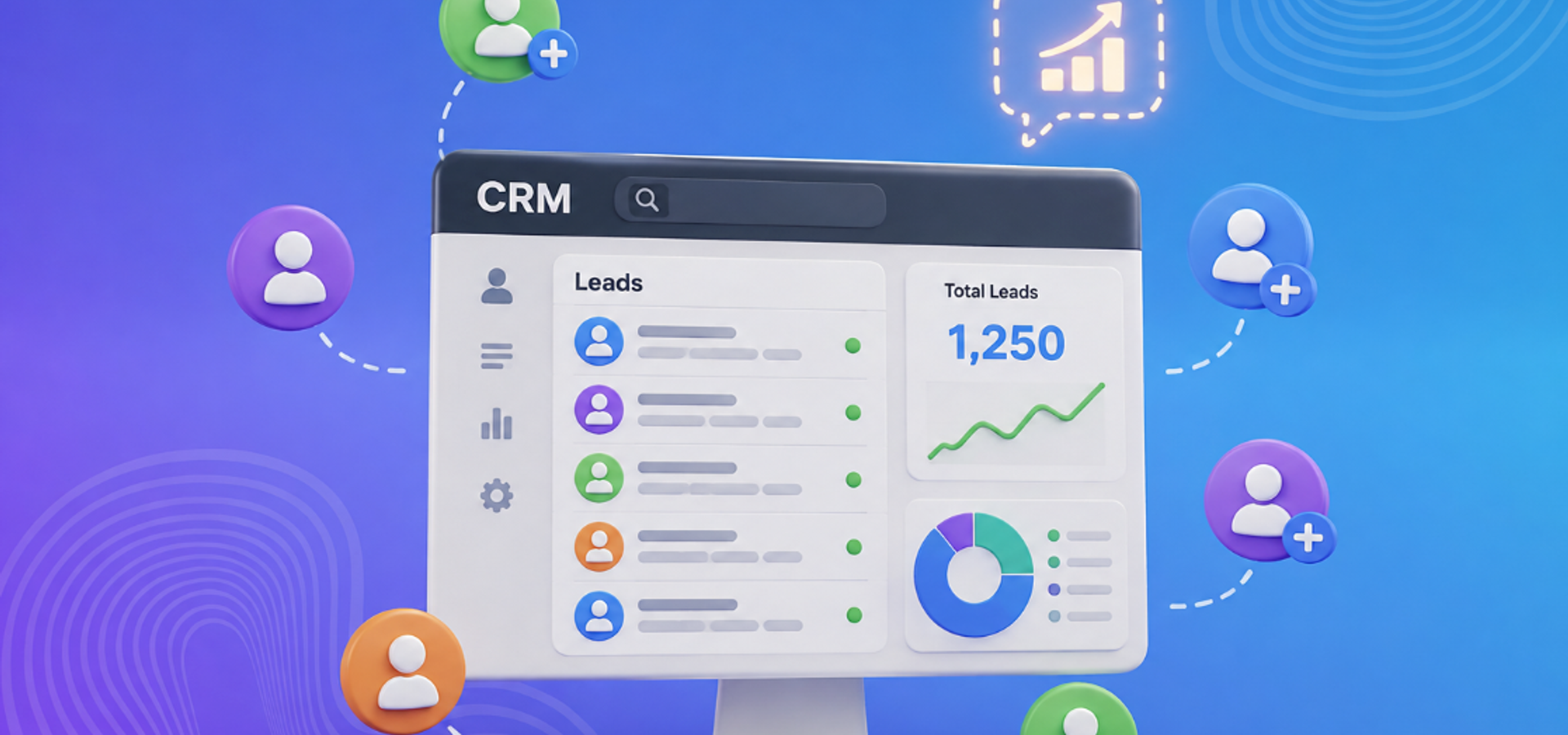
Marketing hits quota. The CRM looks busy. SDRs swear they are “in the queue.” Meanwhile a form fill from Tuesday still shows zero call attempts on Friday, and the buyer already booked with whoever rang first.
That screenshot is the whole problem: CRM full of leads but no one called them back. Records are cheap to create. Conversations are expensive to staff. Without a callback operating system, SLA, ownership, concurrency, write-back, your database becomes a museum of intent. This guide explains why backlogs form, what they cost, and how to clear them with humans, voice AI, or both.
For first-touch conversation design: conversational services use cases. For relationship data beyond one form row: candidate relationship management. For plumbing that makes outcomes stick: integrating recruiting software with existing systems.
Why CRMs fill faster than phones ring
1) Capture is automated; calling is not
Forms, chat widgets, and ad leads create contacts in seconds. Dialing still depends on a person noticing a task, often after meetings, lunch, and another “urgent” demo. Intake without capacity math is how silence becomes the default.
2) No hard callback SLA
“Follow up soon” is not an operating rule. High-intent sources need minutes-to-first-dial targets with owners and weekly reporting. Soft norms lose to calendar gravity every time.
3) Round-robin without enforcement
Leads assign to reps who are OOO, overloaded, or cherry-picking. Unowned or bounced records age quietly. The CRM looks full; the dialer is empty.
4) After-hours and weekend blind spots
Buyers submit at 9:40 p.m. Humans start at 10:00 a.m. Overnight backlog is predictable, and ignored until Monday’s pile feels impossible.
5) Fear of “bad” leads delays all leads
Teams wait to research before calling. Research theater feels productive. Calling late loses the race. Classic work on online sales leads showed how response delay destroys conversion, see HBR: The Short Life of Online Sales Leads.
6) Duplicates and dirty phones hide true workload
The same person appears three times; reps avoid the mess. Unverified numbers bounce. Backlog looks bigger than unique humans, and still nobody dials. Phone verification and dedupe belong in the same cleanup: identity before vanity volume.
What an untouched CRM actually costs
- Paid media waste: you bought clicks that never heard a voice
- Sales cycle loss: competitors who called first own the narrative
- Rep morale: ancient leads feel hopeless, so they stay ignored
- Forecast fiction: “open leads” inflate health while pipeline is hollow
- Brand damage: “we will call you” emails with no call teach distrust
Faster commercial decisions need contact that actually happens, AI helps only after the callback muscle works. See HBR on AI for faster sales and marketing decisions.
Diagnose the backlog in one afternoon
Export last 30 days of new leads and compute:
- % with zero dial attempts at 1 hour / 24 hours / 72 hours
- median minutes from create → first dial
- leads per rep vs dials per rep
- aged open leads by source (paid vs organic vs partner)
- duplicate clusters (same phone/email)
If leadership still says “we have plenty of leads,” show untouched rate. That single slide ends the argument that the CRM being full equals a funnel being healthy, especially when the story is CRM full of leads but no one called them back.
The fix: a callback operating system
1) Publish a speed-to-lead SLA by source
Example: website demo request → first dial under 5 minutes; partner referral → under 30 minutes. Write owners. Review weekly. No exceptions without an escalation path.
2) Separate “new” from “nurture museum”
Park aged, never-touched records in a recovery queue with a time-boxed blitz, or recycle to marketing. Do not let fossils sit next to today’s hot leads in the same view.
3) Enforce ownership and recycle rules
If a rep does not dial within SLA, auto-reassign. Vacations should not orphan contacts. Round-robin without recycle is how CRMs fill and phones stay quiet.
4) Add concurrency for spikes and nights
AI voice agents dial first-touch, verify phone, qualify lightly, book or warm-transfer. Humans keep complex deals. That is how you clear volume without pretending every rep can be everywhere. Qualification patterns: Dialflo vs Retell lead qualification calls. Stack choices: build vs buy voice AI stack India, Retell AI pricing vs Dialflo pricing.
5) Write outcomes back as hard fields
Attempted, connected, wrong number, booked, DNC, verified phone. Soft notes do not power SLAs. Write-back is the difference between activity and a system.
6) Throttle lead gen until capacity matches
Buying more into silence multiplies waste and duplicates. Pause or cut the worst sources until callback coverage is real.
A 10-day backlog burn-down
Day 1: Freeze vanity dashboards. Publish untouched % and median first-dial.
Days 2–3: Define SLA + recycle rules. Clean dial lists (invalid phones out).
Days 4–7: Blitz aged high-intent sources with humans and/or voice AI. Log every attempt.
Days 8–10: Compare contact rate and held meetings. Keep automation on nights; keep humans on exceptions. Expand only if SLA holds.
Platform comparisons for production dialing: Retell vs Dialflo, Retell vs Dialflo vs Vapi (India), Vapi alternatives for India. Cutover without losing attempt history: migrate without downtime. India concurrency economics: Retell vs Dialflo India pricing.
Same pattern outside classic “sales CRM”
Recruiting: ATS full of applicants, no screens booked, see AI applicant screening, hire candidates faster with AI tools, how AI agents are transforming recruiting.
Logistics: tickets and status requests pile up unanswered, decision gaps grow when phones do not move: logistics decision gap, AI in logistics use cases.
Where Dialflo fits (brief)
Dialflo runs AI voice agents that call CRM and inbound leads when humans cannot keep median speed-to-lead honest, especially nights, spikes, and backlog burn-downs. We write structured outcomes back so “worked” means dialed, not merely assigned. Pilot against untouched rate and held meetings, not a prettier CRM homepage.
Frequently asked questions
Why is our CRM full of leads but no one called them back?
Because creation is automated and calling is capacity-constrained, without SLA, recycle rules, and after-hours coverage, records age untouched.
Is emailing enough as a “callback”?
For high-intent phoneable leads, no. Email is a backup. A dial attempt is the standard of care when the form asked for a call.
Should SDRs clear old leads before new ones?
Protect today’s SLA first. Run a time-boxed blitz on aged high-intent sources in parallel, or with automation, so fossils do not steal today’s hot leads’ first five minutes forever.
Can AI replace the SDR team for callbacks?
AI can own first-touch and triage at scale. Humans still close complexity. Most teams win with hybrid coverage.
What if lead quality is poor?
Fix sources and verification, but do not use quality complaints as an excuse for zero attempts on every lead. Measure quality after contact, not before silence.
How do we stop the backlog returning?
Match lead intake to dial capacity, enforce recycle, cover after hours, and report untouched % weekly next to MQL count.
If your story is a CRM full of leads but no one called them back, bring untouched rate and one high-intent source to dialflo.ai. Fill the dialer, not only the database.